Everyday Living In Midlothian: Commutes, Parks, And Housing
June 11, 2026
June 11, 2026
If you are trying to picture daily life in Midlothian, the big question is simple: can you get the convenience you need without paying for more market than you actually want? For many buyers and sellers, that comes down to three things that shape day-to-day living fast: commute options, access to parks and public amenities, and the kind of housing stock you can realistically find at local price points. This guide breaks down how Midlothian functions in real life so you can make a clearer, more confident move. Let’s dive in.
Midlothian has long been shaped by transportation access. The village grew around the Rock Island Railroad, and that rail-and-road identity still shows up today in how people move through the area and how they evaluate convenience.
The village highlights its location as about five minutes from I-294 and I-57. It also points to shopping and restaurants around a revitalizing downtown area, which helps explain why Midlothian often appeals to buyers looking for an established south suburban setting with practical access points.
For many households, commute time affects everything from your morning routine to how flexible your week feels. Midlothian offers a mix of rail, road, and bus connections that can support different work patterns.
Census Reporter lists the mean travel time to work at 28.8 minutes. That does not predict your exact commute, but it does give you a useful baseline for how the village fits into broader regional travel patterns.
Midlothian is served by the Metra Rock Island Line. The Midlothian station is located at 3750 W. 147th St., sits in Zone 2, is accessible, and has 657 parking spaces across nine lots.
That parking count matters more than people think. If you plan to commute by train, available station parking can affect how practical your routine feels on busy weekday mornings.
The station also connects to Pace Route 354. For buyers who want options beyond driving every day, that added connection can be part of the value equation.
If your routine depends more on driving, Midlothian’s location near I-294 and I-57 is a key part of the picture. The village also reports that Cicero Avenue carries more than 29,000 vehicles per day and 147th Street carries more than 18,000 vehicles per day.
That level of traffic tells you these are active commercial and commuter corridors. In practical terms, that can mean strong access to everyday retail and services, while also reminding you to pay attention to traffic flow and location when comparing one property to another.
The village says Midlothian is about 30 minutes from Midway International Airport. If you travel regularly for work or want easier airport access for personal trips, that can be a meaningful everyday advantage.
Commute convenience is never just about downtown access. It is also about how easily you can connect to highways, errands, transit, and regional destinations without turning every trip into a production.
Daily quality of life is not just about your house. It is also about what you can do nearby when you want space to walk, exercise, or take a break from being indoors.
The Midlothian Park District owns 59 acres of parkland and operates seven parks plus a recreation center. Because it is a separate municipal agency, it plays a major role in the village’s recreation programming and facilities.
A standout local amenity is the ARC. The facility includes a fitness center, walking track, turf field, renovated gym, multipurpose rooms, and the Lily Pad splash park.
That mix gives residents a range of options for workouts, indoor activity, programs, and warm-weather recreation. If you are comparing suburbs, this is the kind of everyday infrastructure that can have more impact on your routine than a flashy listing feature.
The named park sites in Midlothian include:
The village also highlights the Midlothian Meadows Forest Preserve trail, a 3.1-mile biking and hiking path that connects into the Tinley Creek trail network. For buyers who value easy outdoor access, that trail connection adds another layer to everyday usability.
A suburb works best when the basics are easy. Midlothian offers several public-facing amenities that support day-to-day life without requiring a long drive for every errand or service.
The Midlothian Public Library is a separate municipal agency and offers free resident cards. Residents also have access to the SWAN consortium, along with computers, Wi-Fi, digital collections, and programs for children, teens, and adults.
That matters because a library is not just a book resource. It can also be a practical workspace, a place for programming, and a useful support point for different stages of life.
The village’s welcome information also points residents to a historical museum and the Secretary of State facility on Pulaski. Those details may seem small, but convenience often comes from having routine services close to home.
When you evaluate a suburb, it helps to look past headline features and ask a more practical question: how easy is everyday life once you actually live there? Midlothian’s public amenities help answer that question in a grounded way.
Midlothian’s housing stock leans heavily toward single-family homes. According to DePaul housing data, 73.6% of the housing stock is single-family, compared with 7.4% condominiums, 3.2% in buildings with 2 to 4 units, and 15.8% in buildings with 5 or more units.
That matters because it shapes what buyers are most likely to encounter and what sellers are competing against. In Midlothian, the market conversation often starts with established single-family inventory rather than a condo-heavy or high-density mix.
The village history notes that homes continued to be built in the 1930s and 1940s. That helps explain why many buyers associate Midlothian with an older, established housing fabric.
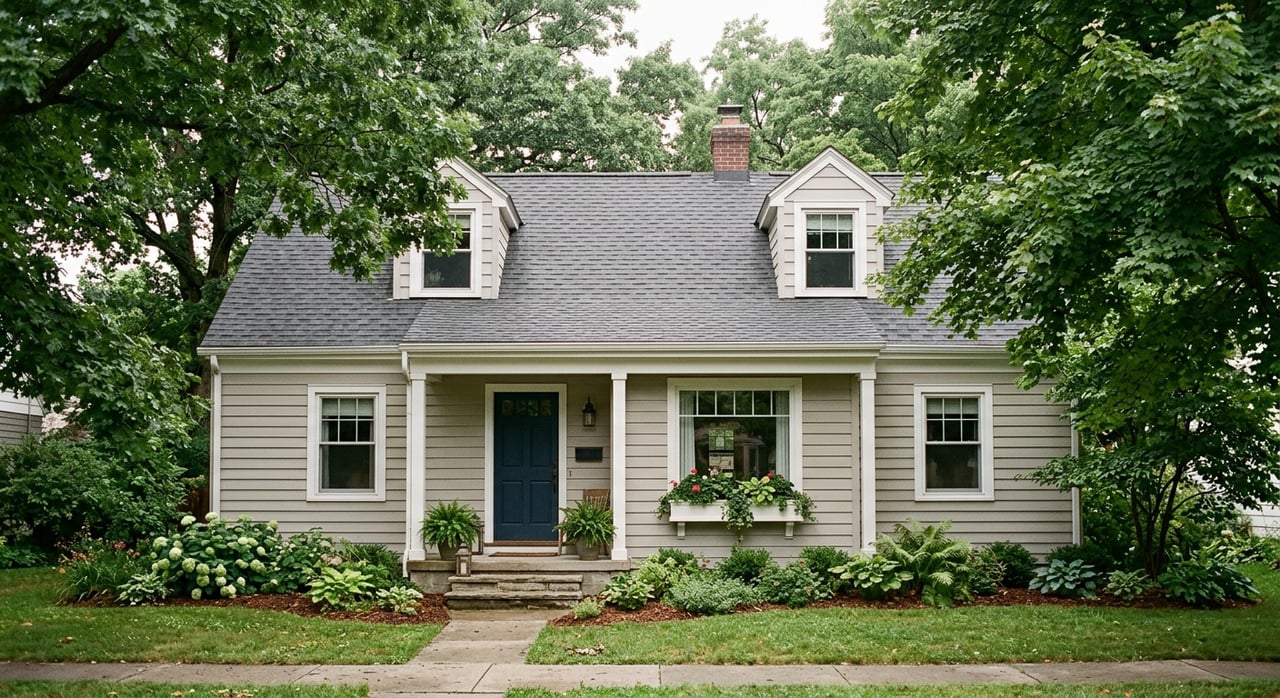
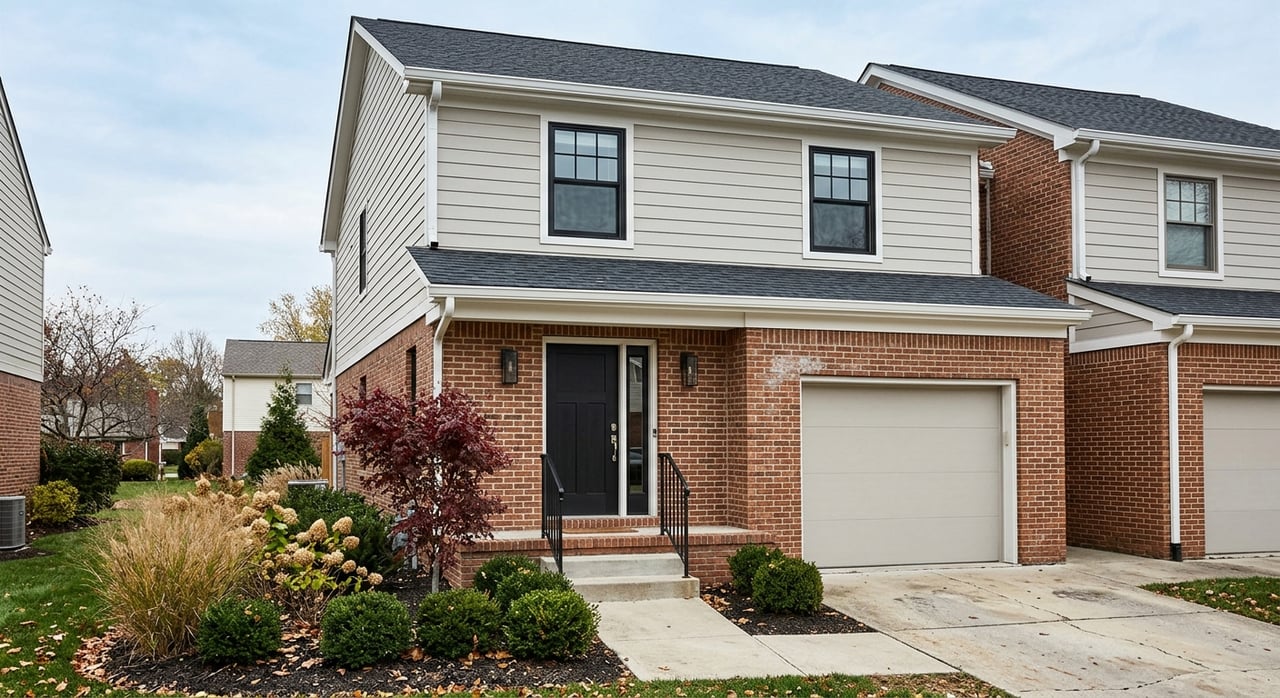
In active listings, buyers commonly see styles such as split-levels and brick ranches. If you are shopping here, that usually means comparing layout efficiency, maintenance history, lot utility, and update level more than chasing brand-new construction.
Current Redfin data puts Midlothian’s median sale price at $237,377, with 38 homes for sale on the city page. Active listings show a broad range, from about $70,000 to $899,000.
That spread is important. It suggests Midlothian is not a one-note market, and that your experience will vary a lot depending on property type, condition, and positioning.
From a strategy standpoint, buyers should not assume every lower list price is a better value, and sellers should not assume every renovation dollar will be rewarded equally. In an established housing market, condition, layout, and realistic ceiling value matter.
If you are deciding between south suburban options, price context helps. Based on current median sale price data, Midlothian sits above Blue Island at $207,343, but below Oak Forest at $284,853, Oak Lawn at $299,845, Tinley Park at $319,785, and Orland Park at $380,803.
That places Midlothian in the lower-middle of this nearby price group. For buyers, that can make Midlothian worth a closer look if you want access, established housing stock, and a range of price points without jumping into some of the higher-priced nearby markets.
For sellers, this comparison is also useful because it reinforces the need for disciplined pricing. A home does not compete in a vacuum. Buyers are often comparing Midlothian against several nearby communities at the same time.
If you are buying in Midlothian, focus on the factors that shape long-term usability, not just first-showing appeal. In a market with established homes, the right buy is often the house that matches your routine and budget with fewer costly surprises.
Pay close attention to:
This is where a disciplined approach matters. You want to understand true market value as the home sits today, not just what the listing presentation suggests.
If you own a home in Midlothian and are thinking about selling, the biggest mistake is usually spending money without a clear return case. In an established market with a wide price range, targeted improvements tend to matter more than over-improving.
Before listing, it helps to evaluate:
That kind of planning is especially important in the first 7 to 10 days on market. Early positioning, realistic pricing, and a clean presentation can do more for your result than a longer list of unfocused upgrades.
Midlothian offers a practical blend of transportation access, public amenities, and established housing stock. It is a place where train service, highway proximity, park access, and a mostly single-family housing base all play a role in daily life.
For some buyers, that combination will feel like the right balance between convenience and cost. For sellers, it means your home can appeal to buyers who are not just shopping for square footage, but for a workable routine.
If you are weighing a move in Midlothian, the smartest next step is to look at the numbers and the tradeoffs clearly. For strategy-first guidance on buying, selling, or evaluating a property in today’s market, connect with Mike Thurman.
Stay up to date on the latest real estate trends.


Connect with Michael Thurman for expert guidance backed by real investment insight. Whether buying or selling, he’ll help you price strategically and move with confidence.