Living in Lisle IL: Nature, Downtown, and Housing
May 28, 2026
May 28, 2026
Wondering if Lisle gives you the best of both worlds? It is one of those suburbs where outdoor space, a usable downtown, and a wide range of housing types all show up in one relatively compact village. If you are trying to decide whether Lisle fits your lifestyle or your next move, this guide will help you understand what daily life, housing choices, and market context actually look like. Let’s dive in.
Lisle sits about 25 miles west of Chicago in DuPage County and has an estimated 23,548 residents as of 2024. The village covers 6.90 square miles of land, which helps explain why you see a mix of housing, shopping areas, parks, and transit options packed into one community.
That balance is a big part of Lisle’s appeal. You are not looking at a place built around just one feature. Instead, Lisle offers a combination of nature access, a walkable downtown core, and practical commuting infrastructure that shapes how people experience the village day to day.
Lisle has a strong green identity, and it comes from multiple layers of outdoor space rather than one single park. The village has been recognized as a Tree City USA community since 1992 and maintains more than 6,000 parkway trees, which adds to the overall feel as you move through different parts of town.
For many buyers, that matters more than a headline statistic. Mature trees, preserved open space, and connected trails can change how a neighborhood feels, how often you get outside, and how attractive an area is over time.
One of Lisle’s best-known outdoor assets is The Morton Arboretum, a 1,700-acre destination with woodlands, wetlands, prairies, lakes, and meadows. It also offers walking, biking, cross-country skiing, guided tours, a Children’s Garden, and a Maze Garden.
That kind of amenity is not just nice to have. It gives Lisle a year-round outdoor anchor and helps explain why the village often feels greener than many nearby suburbs.
Outdoor access in Lisle goes beyond the Arboretum. Green Trails is a 744-acre single- and multi-family subdivision with 25 miles of trails, 9 lakes, 17 public parks, mature woods, and open space.
Community Park is another major asset. It spans 110 acres and serves as a centerpiece of the Lisle Park District, with nature walking trails, bike paths, fishing ponds, and access to 36 parks and a broad set of recreation facilities.
PrairieWalk Pond gives downtown Lisle a different kind of outdoor appeal. This 4.5-acre recreational area next to Main Street includes lighted walking trails around a 2-acre pond, a preserved wetland, scenic overlooks, native landscaping, a gazebo, and Dragonfly Landing for children.
That matters because it connects nature with everyday life. Instead of driving to enjoy outdoor space, you can experience part of Lisle’s natural character right near the downtown core.
Downtown Lisle is described by the village as a pedestrian-friendly retail and restaurant district with a prairie-style streetscape inspired by Frank Lloyd Wright. Its centerpiece is a nature-themed fountain at Garden Walk, and the area hosts a seasonal French Market on Saturdays from May through October.
If you value a suburb where you can actually spend time downtown, Lisle checks an important box. The walkable core, public spaces, and seasonal events create more of a community rhythm than you find in places where downtown is mostly a pass-through.
Lisle’s convenience story goes beyond downtown. The village identifies several shopping districts, including Ogden Avenue, College Square, Green Trails Shopping Center, and the Route 53/Maple Avenue corridor.
The Route 53/Maple area includes grocers and everyday retailers such as Jewel, Aldi, Walgreens, McDonald’s, Starbucks, and Jersey Mike’s. Green Trails and College Square add restaurants, specialty retail, services, a bank, a daycare, and other neighborhood-level uses.
For buyers and sellers, this matters because lifestyle is not only about the home itself. Access to errands, dining, and routine services often shapes how practical a location feels once the move is over.
Lisle has a strong commuter profile for a west suburban market. Metra lists the Lisle station at 1000 Front Street on the BNSF line, with accessibility and 814 parking spaces.
The village says Metra reaches Chicago in about 30 minutes. It also notes that O’Hare and Midway are roughly 35 minutes away, and Pace buses serve major corridors throughout the village.
If you are comparing suburbs, that is a meaningful advantage. Buyers often weigh housing cost, commute time, and lifestyle together, and Lisle has a credible case in all three categories depending on the property type you are targeting.
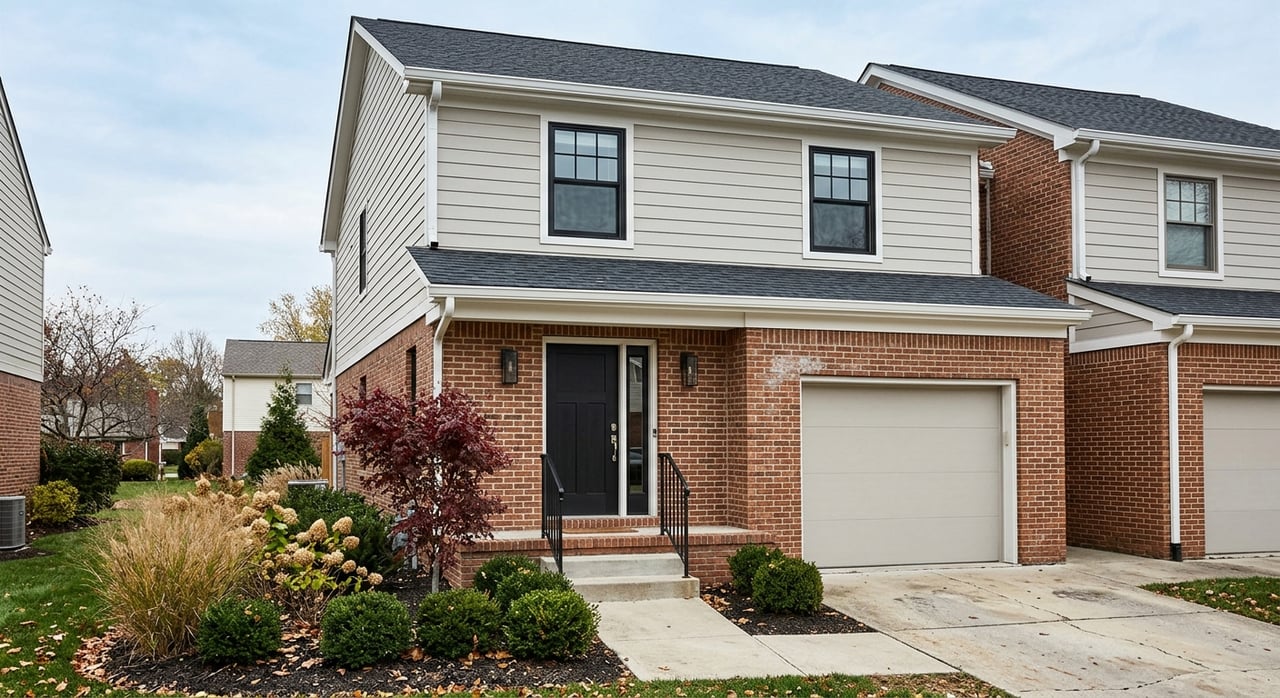
Lisle offers more housing variety than many buyers expect. According to the village’s housing page, the community includes single-family detached homes, apartments, condos, townhomes, senior housing, student housing, and duplexes.
In total, Lisle has 10,955 housing units. That includes 4,758 single-family detached homes, 3,327 apartments, 1,214 condos, 628 townhomes, 602 senior-housing units, 308 student-housing units, and 118 duplexes.
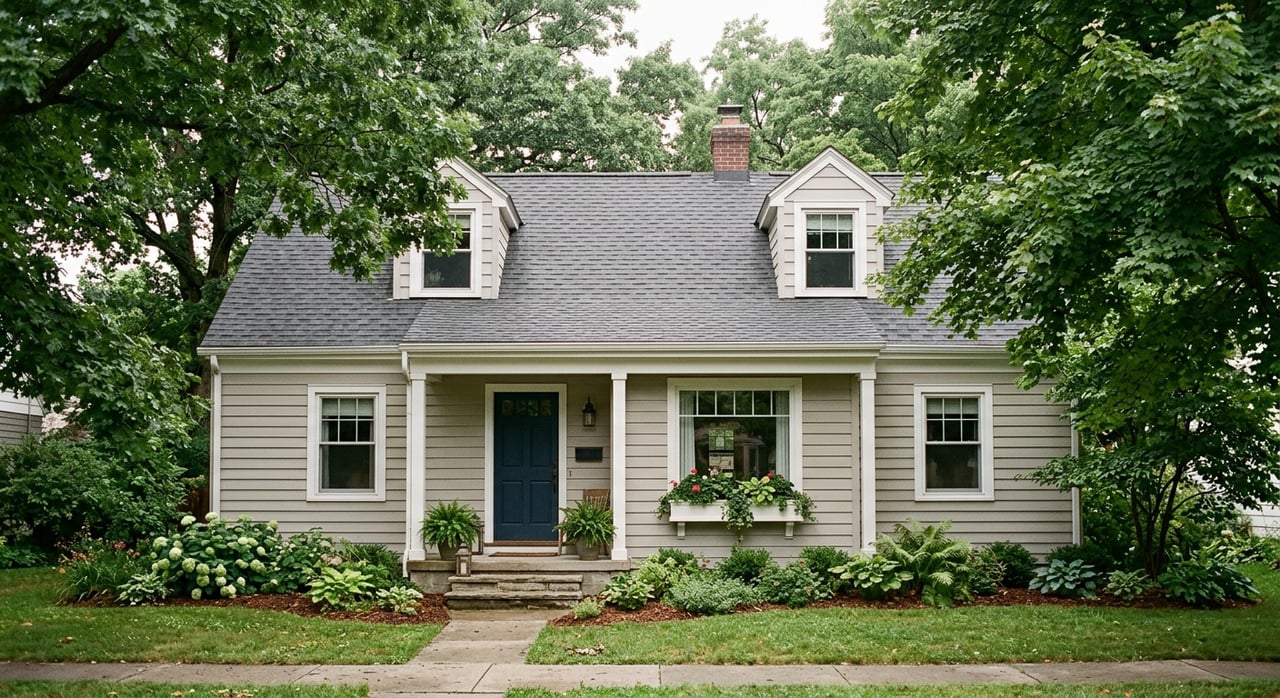
Single-family detached homes are the largest category in Lisle, making up more than 44% of the housing stock. So yes, detached homes are a major part of the village’s identity, especially if you are looking for established neighborhoods with mature trees and more traditional suburban lot patterns.
At the same time, Lisle is not a one-format market. The condo, townhome, and apartment inventory gives buyers more ways to enter the market and gives sellers a broader mix of competing listings depending on price point and location.
If you are looking for a lower entry point, condos and townhomes are likely where your search starts. Based on the village’s housing mix and current market data, those options are often especially relevant near downtown, transit, or mixed-housing areas such as Green Trails.
That does not mean one category is automatically a better value. It means your strategy should match your budget, maintenance preferences, and how long you plan to stay.
Lisle’s housing mix also shows up in redevelopment projects. The village highlights Arbor Trails, a 162-home subdivision on 8 acres, Avant at the Arboretum, a 300-unit apartment complex, and Arbor Place, a senior development.
These examples reinforce an important point. Lisle continues to support different living formats, which helps keep the market relevant for first-time buyers, move-up buyers, downsizers, and renters considering a future purchase.
Lisle’s pricing story is best understood as a range rather than one single number. Census QuickFacts reports a median owner-occupied home value of $406,800 and a median gross rent of $1,658 for 2020-2024 ACS data. It also reports a median household income of $107,479 and an owner-occupancy rate of 55.9%.
Recent market trackers place typical home values in the low-to-mid $400,000s, though the exact figure varies by source and timing. Zillow reports a home value index of $430,112 as of April 30, 2026, Realtor.com reports a median listing price of $365,000 and median sold price of $412,000 in April 2026, and Redfin reports a March 2026 median sale price of $471,500.
This spread does not necessarily mean the market is inconsistent. More often, it reflects different methodologies, different property mixes, and different reporting periods.
If you are buying in Lisle, it helps to think beyond headline price. Housing type, location relative to downtown or transit, and the level of updates can all affect value in a meaningful way.
This is where disciplined analysis matters. A condo near downtown and a detached home in an established area may both be “in Lisle,” but they can serve very different goals, budgets, and resale paths.
If you are selling in Lisle, buyers are often evaluating more than square footage and finishes. The outdoor lifestyle story, the downtown setting, and the BNSF commute all influence how your home is perceived in the market.
That means preparation and positioning matter. In a suburb like Lisle, the right pre-listing improvements are usually the ones that support the buyer pool your home is already likely to attract, not the ones that overshoot neighborhood expectations.
Lisle can appeal to several types of buyers because it offers choice. If you want more nature in your daily routine, the combination of the Arboretum, Green Trails, Community Park, and PrairieWalk Pond is a real advantage.
If you want a suburb with a usable downtown and a straightforward train option, Lisle also makes sense. And if you need flexibility in housing type, the village’s mix of detached homes, condos, townhomes, and apartments gives you more paths than many single-format suburbs.
From a strategy standpoint, that flexibility is important. It means your decision should start with your lifestyle, budget, and time horizon, then narrow to the property type and micro-location that best supports those priorities.
If you are weighing Lisle against nearby suburbs, the smartest move is to compare not just list prices, but also daily convenience, commute structure, and how much the local housing stock aligns with your actual plan.
If you want help thinking through Lisle from a buyer, seller, or investment angle, Mike Thurman can help you make a clear, strategy-first decision.
Stay up to date on the latest real estate trends.
Connect with Michael Thurman for expert guidance backed by real investment insight. Whether buying or selling, he’ll help you price strategically and move with confidence.