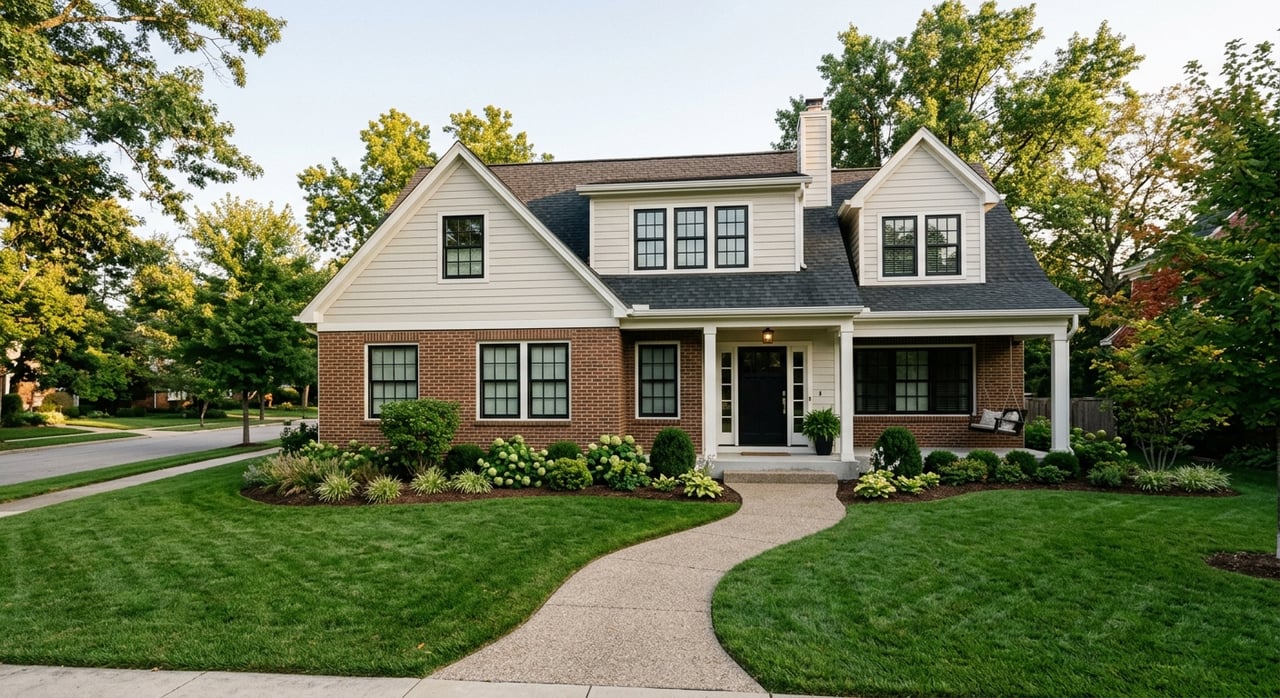
Renovate Or Sell As-Is In Glen Ellyn?
July 16, 2026
July 16, 2026
If you’re thinking about selling in Glen Ellyn, one question can make or break your net result: should you renovate first, or sell the home as-is? It’s a fair question, especially in a market where homes move quickly, prices are strong, and the wrong pre-listing project can eat into your equity fast. The good news is that you do not need to guess. With the right strategy, you can sort out which updates actually help, which ones rarely pay back, and when an as-is sale makes more sense. Let’s dive in.
Glen Ellyn is not a slow market where every seller needs a full makeover to get attention. Recent local data shows a median sale price above $572,000, about 42 days on market, and multiple offers on average. Zillow also reported a typical home value near $580,000, with median days to pending at just 7 as of late May 2026.
That matters because in a fast-moving market, buyers often forgive cosmetic imperfections more than they would in a softer market. If your home already fits what buyers want in size, layout, and location, a full renovation may not be necessary to create demand.
Glen Ellyn’s housing stock also shapes the decision. The village reports that much of the local inventory was built between the 1950s and 1980s, and single-family homes make up the majority of the housing stock. In other words, many sellers are dealing with older finishes, aging systems, or homes that could be updated, but not every house needs a top-to-bottom remodel to sell well.
Before you decide what to fix, define the outcome you want. Are you trying to maximize sale price, maximize net proceeds, minimize stress, or shorten your timeline? Those are not always the same thing.
A lot of sellers focus too much on the highest possible sale price. The smarter question is usually: which path gives you the best net result after costs, delays, permits, and risk? That is where renovation decisions become more strategic.
In Glen Ellyn, targeted improvements often outperform major remodeling. The strongest resale-friendly projects in the Chicago 2025 Cost vs Value report were highly visible, buyer-facing updates.
These included:
The pattern is clear. Buyers respond to first impressions and practical updates they notice right away. If your home shows well but feels dated in a few obvious areas, a short list of focused improvements can help your home compete without overcapitalizing.
If you are leaning toward some prep work, start with projects that improve safety, function, and first impressions.
Good candidates often include:
These kinds of updates tend to support pricing and buyer confidence without pulling you into a long, expensive renovation cycle.
Selling as-is does not mean giving up. In many cases, it is a disciplined decision.
An as-is sale may make more sense if your home would need major work to reach the next pricing tier, or if the renovation scope starts expanding beyond what the market is likely to reward. This is especially important if your property already compares reasonably well with nearby sales and does not need luxury upgrades to attract serious buyers.
The weaker resale projects in the Chicago Cost vs Value report were major and upscale interior remodels. These included a major midrange kitchen remodel at 50.9% recoup, an upscale bath remodel at 41.7%, a bathroom addition at 36.4%, and an upscale kitchen remodel at 35.7%.
That does not mean those projects never add value. It means they are often poor bets right before listing unless the home truly cannot compete without them. If you are spending heavily just to “keep up,” you may be protecting neither your time nor your equity.
Glen Ellyn requires permits for many common renovation projects. That includes remodeled or altered buildings, roofing replacements over certain thresholds, siding or cladding replacements over certain thresholds, and other types of work that trigger inspections and contractor compliance requirements.
If your project touches several systems or exterior elements, the timeline can stretch quickly. Permit fees, scheduling inspections, contractor availability, and rework can all change the math. If your home was built before 1978, permit applications for work that disturbs painted surfaces also require EPA Lead-Safe Certification, which adds another layer to planning.
For some sellers, that extra complexity is worth it. For others, it is exactly why selling as-is is the better move.
Some Glen Ellyn homes have another wrinkle. If a property is landmarked or located within a landmark district, exterior changes can require Historic Preservation Commission review.
That does not automatically mean you should avoid improvements. It does mean you should not assume exterior work will move on a normal timeline. On the flip side, the village also offers a preservation incentive program for certain qualified homes that are at least 50 years old, with matching grants up to $10,000 after review and Village Board approval.
Renovation budgets often start with contractor estimates and stop there. That is a mistake.
When you compare renovate versus sell as-is, you also need to account for carrying costs, permit-related delays, change orders, cleanup, and the possibility that buyers still want concessions after the work is done. On top of that, every Glen Ellyn sale includes a village real estate transfer stamp of $3 per $1,000 of sale price, paid by the seller, and the village requires a Clearwater inspection and final water reading before issuing the stamp.
Those sale-related costs apply either way, but they matter when you are trying to calculate your true net. A renovation only helps if the market rewards it enough to cover the extra spend and hassle.
If you sell a Glen Ellyn home as-is, Illinois law still requires you to provide the Residential Real Property Disclosure Report before contract signing. If you later learn of an error or omission, you must supplement it before closing.
That is important because some sellers hear “as-is” and assume it removes disclosure obligations. It does not. As-is can define the condition the buyer agrees to accept, but it is not a substitute for honest disclosure or the buyer’s inspection process.
If you are stuck between renovating and selling as-is, use this filter.
One of the biggest mistakes sellers make is pricing renovation decisions against construction cost alone. That is not how the market works.
In Glen Ellyn, the smarter approach is to judge each project against what buyers are likely to pay for your home in its specific competitive set. If your block, style, lot, or layout puts a practical ceiling on value, pouring money into upscale finishes may not move the result enough to justify the spend.
This is where strategy matters most. You are not trying to build your dream house for resale. You are trying to create the best market position for the next buyer.
For most Glen Ellyn sellers, the best answer is not “renovate everything” or “do nothing.” It is usually somewhere in the middle.
Fix what hurts buyer confidence. Improve what shapes first impressions. Skip speculative luxury projects that the market may not fully reward. In a tight market like Glen Ellyn, disciplined preparation often beats big-budget remodeling.
That is the core idea behind a strong sale strategy. You want to diagnose the home honestly, optimize only what matters, and avoid spending money where the buyer pool will not pay you back.
If you want a clear plan for your home’s current condition, likely ceiling value, and the smartest pre-listing moves, Mike Thurman can help you build a strategy that protects your equity and keeps the process grounded in real numbers.
Stay up to date on the latest real estate trends.

Connect with Michael Thurman for expert guidance backed by real investment insight. Whether buying or selling, he’ll help you price strategically and move with confidence.