Walkable Glen Ellyn Living Near Downtown And The Train
July 23, 2026
July 23, 2026
Looking for a suburb where you can leave the car parked more often, grab dinner downtown, and still catch a train into Chicago without a long daily grind? That is exactly why the walkable pocket near downtown Glen Ellyn and the Metra station gets so much attention. If you are weighing lifestyle, convenience, and housing options in this part of DuPage County, this guide will help you understand what stands out, what inventory tends to look like, and where the tradeoffs are. Let’s dive in.
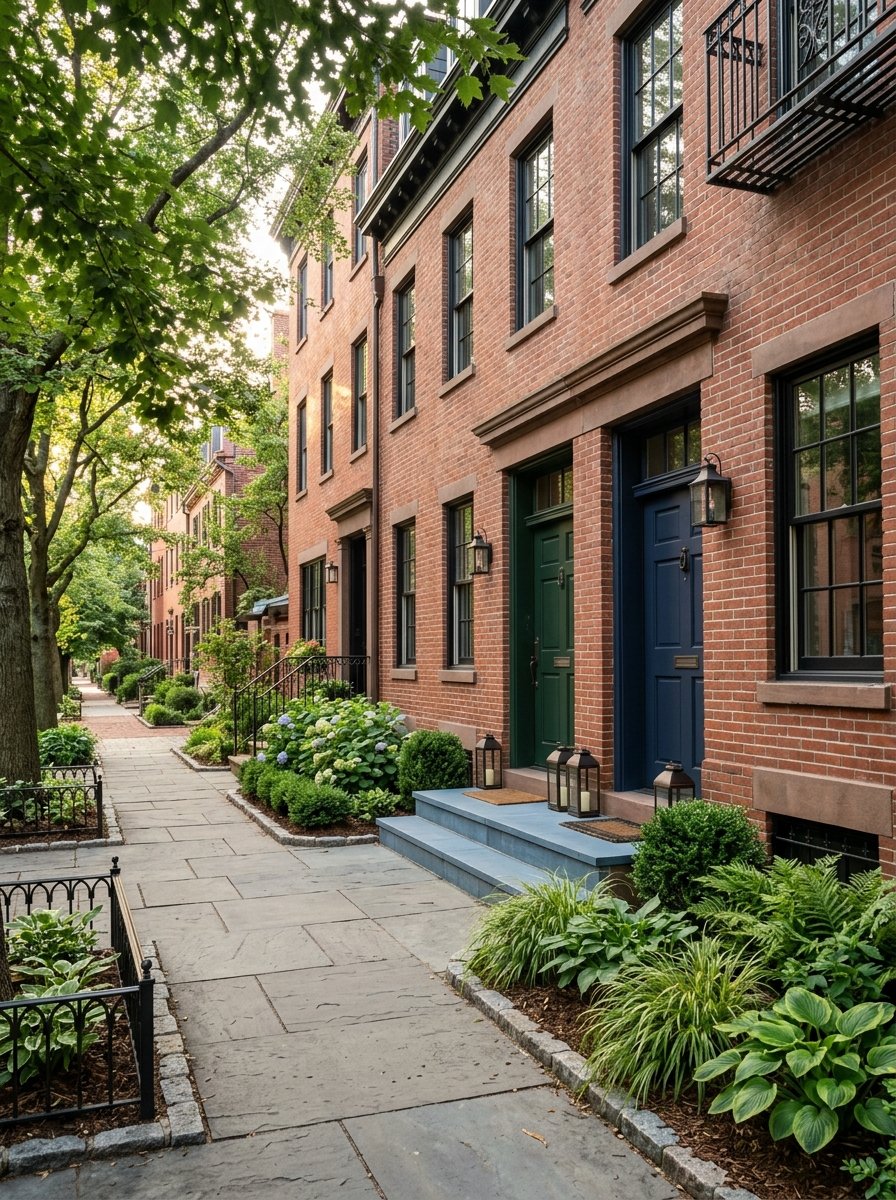
Downtown Glen Ellyn is the village’s historic core, and it is one of the clearest walkable areas in town. Village information describes Glen Ellyn as offering big-city amenities with a small-town feel, and downtown plays a big role in that identity. With more than 100 shops and about 265,000 square feet of storefront space, the area feels active enough for errands, dining, and casual outings without needing to drive across town.
This is not just a marketing idea. Village planning documents describe downtown as a pedestrian-oriented and transit-oriented district. The retail core is generally bounded by Pennsylvania, Forest, Hillside, and Glenwood, and the area is positioned as Glen Ellyn’s central hub for retail, services, entertainment, civic uses, residential living, and transit access.
There is also real historic character here. The central business district is listed on the National Register of Historic Places in both its north and south districts. For you as a buyer, that often translates into a more established setting, a traditional street grid, and a downtown that feels distinct from newer suburban commercial areas.
One reason this pocket stays on buyers’ radar is the Metra station right in downtown. The Village places Glen Ellyn about 23 miles west of downtown Chicago, and local materials say the rush-hour trip to the Loop is about 36 minutes. That makes Glen Ellyn a realistic option if you want suburban living without feeling disconnected from the city.
The station itself is also a meaningful part of the area’s appeal. Village materials note that the Glen Ellyn stop is one of the busiest on the Union Pacific West line. In practical terms, that tells you demand for this location is tied not just to charming streets and restaurants, but also to a daily-use transit pattern people actually rely on.
For many buyers, that creates a different kind of suburban routine. Instead of planning every trip around your car, you may be able to walk to the train, meet friends downtown, or use nearby trails and sidewalks as part of everyday life. That shift in convenience is a big reason homes near downtown and the station often draw steady interest.
Village-wide, Glen Ellyn is considered moderately walkable, with a Walk Score of 50 according to Redfin. That number is useful as background, but it does not tell the whole story. The walkable experience is much more concentrated around downtown, where shops, restaurants, civic uses, transit, and trail access sit closer together.
The Illinois Prairie Path adds to that low-car feel. Village materials note that the path runs parallel to the rail line and brings bicycle and pedestrian traffic directly through the center of downtown. That gives you another way to move through the area for recreation or short local trips.
Parks also support the lifestyle. The Glen Ellyn Park District maintains 29 parks and more than 300 acres of open space, and Lake Ellyn Park includes meandering trails with a loop of roughly 0.65 miles around the lake. If you value being able to fit in a quick walk, run, or outdoor break close to home, that is part of the appeal.
If you are picturing a large supply of condos and townhomes right by downtown, it helps to calibrate expectations. The Village housing assessment says about 64% of Glen Ellyn’s housing units are detached single-family homes. Attached and multifamily options exist, but they remain a smaller part of the overall housing mix.
Much of the village’s housing stock was built between the 1950s and 1980s, which helps explain why the area often feels established and somewhat supply-constrained. In and around downtown, that can mean a mix of older condos, townhomes, and some low-rise or mixed-use residential options rather than a huge pipeline of brand-new inventory.
That limited supply matters because there is clear demand for smaller, lower-maintenance homes. Village planning documents specifically note a shortage of condos, townhomes, and similar options for downsizers who want to stay near services, transit, and downtown amenities. If that sounds like your goal, you are not alone, and that helps explain why attached housing near the core can move quickly when priced well.
There is also a longer-term story to watch. Village planning documents call for more apartments and condominiums near downtown, more townhomes and small multifamily in appropriate locations, and more mixed-use buildings with commercial space on the ground floor and residential units above.
The zoning diagnostic report supports additional residential density downtown, including at least 450 new dwelling units in mixed-use and residential buildings. That is a planning direction, not current inventory. Still, if you are thinking about Glen Ellyn as a place to live for years, it suggests the downtown area may continue evolving toward more walkable housing choices over time.
Glen Ellyn is not an entry-level market overall, and recent pricing reflects that. Redfin reports a median sale price of $572,158, up 16.8% year over year, with homes selling in about 42 days. Realtor.com’s June 2026 snapshot shows a median listing price of $650,000 and a median of 36 days on market, while Zillow’s home value index puts the average home value at $590,707 as of June 30, 2026.
Those figures use different methods, so they do not line up exactly. But together they point to a market broadly sitting in the high-$500,000s to mid-$600,000s. For you, the bigger takeaway is that Glen Ellyn remains competitive, and desirable pockets near downtown and the train tend to hold attention.
Attached housing shows a wide pricing range within the same village. Redfin’s current data shows 3 condos for sale at a median listing price of $285,000, while 7 townhomes were listed at a median price of $615,000. That spread matters because “lower-maintenance living” does not mean one single budget category here.
If you want the most walkable, small-town-feel part of Glen Ellyn, downtown is the strongest match. The village has three business districts overall, including downtown, Roosevelt Road, and Stacy’s Corners, but the historic downtown area is the clearest fit for buyers focused on train access and a more compact daily routine.
In practical terms, this pocket often makes the most sense for a few types of buyers. Commuters may value the direct access to Metra. Downsizers may appreciate the push toward lower-maintenance housing close to services. Early-stage buyers may see condos as a way to get into Glen Ellyn at a lower price point than many detached homes.
That said, every benefit comes with a tradeoff. If your top priority is a large yard, newer suburban layout, or a broader supply of homes at every price point, this pocket may feel more limited. Walkable Glen Ellyn living works best when convenience, character, and location matter more to you than square footage alone.
When you buy near downtown and the train, you are not paying only for the unit itself. You are often paying for location efficiency, daily convenience, and tighter supply. That means the right question is not just, "How big is the home?" but also, "How much friction does this location remove from my week?"
This is where a strategy-first approach matters. In a market with limited attached inventory, it helps to compare price, condition, monthly ownership costs, and the real utility of the location. A condo at one price point and a townhome at another may serve very different goals, even if both support the same walkable lifestyle.
If you are selling in this area, the same logic applies in reverse. Buyers near downtown often respond to clean presentation, realistic pricing, and a clear understanding of what the location is worth in current condition. Over-improving for a niche taste rarely helps if the buyer pool is really paying for convenience, access, and low-maintenance living.
A sharp plan matters most in the first week on market. With the right prep, pricing, and launch strategy, you give yourself the best shot at creating early demand instead of chasing the market later with reductions. In a location as specific as downtown Glen Ellyn, positioning matters just as much as the property itself.
If you want help thinking through whether this part of Glen Ellyn fits your budget, lifestyle, or sale strategy, connect with Mike Thurman for a consultation.
Stay up to date on the latest real estate trends.

Connect with Michael Thurman for expert guidance backed by real investment insight. Whether buying or selling, he’ll help you price strategically and move with confidence.