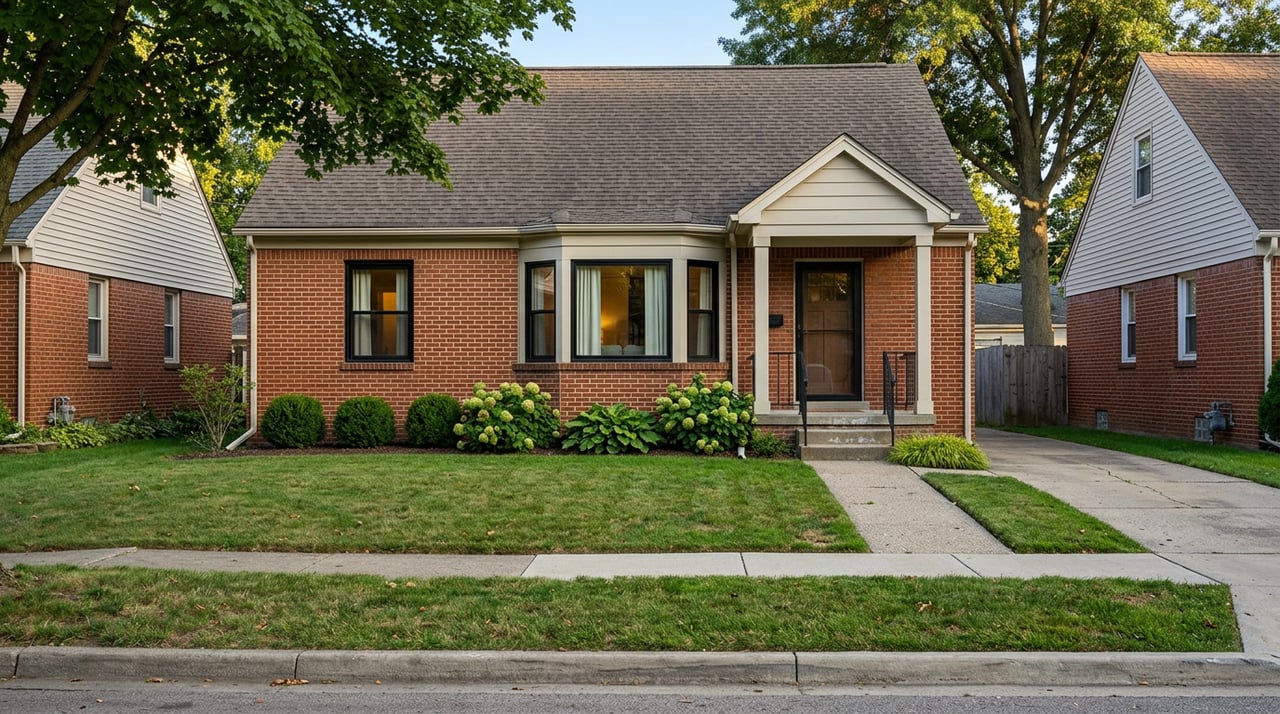
Should You Sell As-Is Or Fix First In Darien?
May 14, 2026
May 14, 2026
If you’re thinking about selling in Darien, one question can change your entire outcome: Should you sell the home as-is, or fix it first? That decision affects your timeline, your stress level, and most importantly, your net proceeds. In a market with real buyer demand but not unlimited forgiveness, the right answer usually comes down to numbers, condition, and what Darien buyers actually respond to. Let’s break it down.
Darien’s housing market is active, but it is not so overheated that buyers ignore condition. Recent local data points show a median sale price around $485,000, limited inventory, and strong buyer demand, with different platforms reporting homes going pending anywhere from around 12 to 55 days depending on the source and time frame. Sale-to-list data also suggests sellers are still getting close to asking price.
That creates opportunity, but it also creates a pricing trap. If you list as-is and price honestly for the home’s current condition, you can still attract serious buyers. If you try to price like the work is already done, buyers may hesitate, wait, or come back with inspection credits.
The best choice is not the one that makes the house look prettiest. The best choice is the one that leaves you with the stronger net after repairs, time, carrying costs, and negotiation are all factored in.
A simple framework can help:
If the fix-first path does not create a meaningful net lift, it may not be worth the risk, time, or permit friction. That is especially true if the home is already near the realistic ceiling for nearby comparable homes.
Selling as-is can be the smarter move when your home has major repair issues, uncertain hidden costs, or when speed matters more than squeezing out every last dollar. This path is often the cleanest option when the property needs more work than the average buyer wants to take on.
It can also make sense if your house is already near the top of what buyers are likely to pay for that area and price range. In that case, pouring money into the property may not produce a matching increase in value.
In Darien, this strategy can still work because buyer demand exists. But the pricing has to be disciplined. Buyers may accept an as-is sale, but they still compare your home to cleaner, more move-in-ready alternatives.
One important point: as-is does not mean no disclosure. In Illinois, sellers are still generally required to complete the Residential Real Property Disclosure Report for most residential sales.
That form covers material issues the seller actually knows about, including items such as the roof, foundation, walls, windows, doors, floors, electrical, plumbing, and heating or cooling systems. The law also says an as-is sale does not remove the parties’ ability to negotiate terms, inspections, or warranties.
So if you sell as-is, you are not skipping transparency. You are mainly signaling that you do not plan to make repairs, while still disclosing known material defects and recognizing that buyers may inspect and negotiate based on what they find.
Fix-first tends to win when the improvements are visible, practical, and likely to reduce buyer hesitation. In Darien, local listing trend data suggests buyers reward functional upgrades and everyday livability more than highly personalized luxury choices.
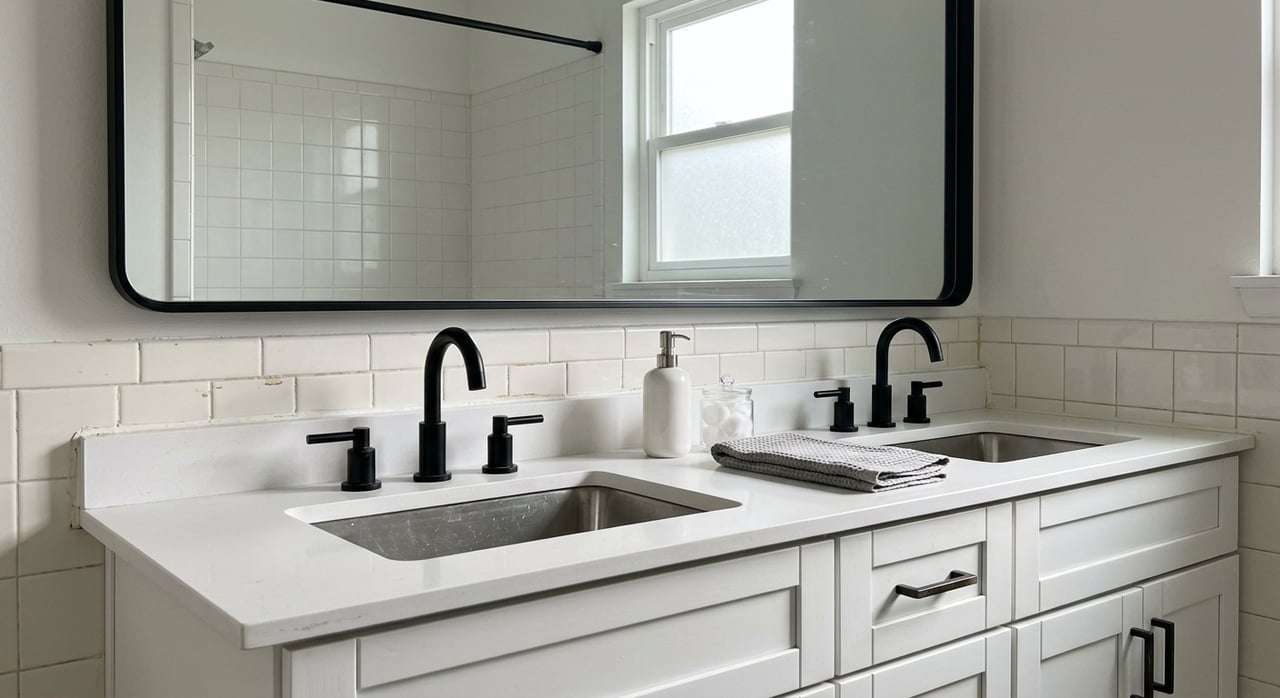
Features that have shown strong local appeal include breakfast areas, washer and dryer setups, finished basements, mature trees, mud rooms, ceramic floors, and quartz counters. The takeaway is simple: buyers appear to value usable space, maintenance, and move-in readiness.
This usually points to targeted prep, not a full renovation.
If your home is basically sound and you want to improve marketability, the strongest updates are often the simplest ones. These are the kinds of changes that help buyers feel the home has been cared for.
These upgrades can improve first impressions without pushing you into over-improving for the neighborhood. That matters in a market like Darien, where practical upgrades often outperform flashy remodels in terms of buyer response.
A lot of sellers lose money by solving the wrong problem. They assume a bigger renovation automatically leads to a bigger sale price, even when the buyer pool may not reward that level of finish.
Before spending heavily, you need to ask whether the work actually changes buyer behavior. If it does not increase urgency, confidence, or perceived value enough to improve your net, it may be wasted effort.
Mike Thurman’s strategy-first approach is especially useful here. The point is not to renovate for renovation’s sake. The point is to make disciplined decisions based on buyer psychology, realistic value, and your likely exit.
One issue sellers often overlook is permit timing. In Darien, many pre-listing projects may require permits, including certain remodels, wall changes, electrical or plumbing work, driveways, patios, HVAC replacement of an AC unit, and some outdoor additions.
The city offers online permitting and contractor registration through OpenGov, and all contractors must be registered. Darien also currently has a building permit holiday waiving fees for certain projects through April 30, 2027.
That said, a permit fee waiver does not remove the timeline risk. If your project needs approvals, inspections, or multiple trades, the delay can eat into your potential gain.
According to the city, simple roof repair and siding, soffit, or fascia work do not require a permit. That can make some exterior maintenance easier to complete before listing.
The bigger point is this: a project that looks profitable on paper can become less attractive if it adds weeks of delay. When you are deciding whether to fix first, timing matters just as much as cost.
Every extra month you own the property while preparing it for sale has a cost. Even if you avoid major surprises, you are still carrying mortgage interest, property taxes, insurance, utilities, and general upkeep.
Illinois assesses property at one-third of market value by law, and the state reports DuPage County assessments at 33.32% of market value for 2025 taxes payable in 2026. That does not tell you your exact tax bill, but it is a useful reminder that waiting is not free.
This is why the best renovation plan is often the shortest one that improves buyer confidence. A slower, more expensive prep plan needs to produce a clear net advantage, not just a nicer listing.
If you are deciding between as-is and fix-first, use this checklist:
In other words, sell as-is when the downside of fixing is too high, and fix first when a focused prep plan can improve your leverage without blowing up your timeline.
Darien is not a market where you can guess your way through prep and pricing. Demand is strong enough that both as-is and fix-first can work, but not strong enough to cover poor positioning.
That is why a disciplined approach matters. You need to understand the home’s current-condition value, what improvements buyers are likely to reward, where the neighborhood ceiling sits, and how to protect leverage in the first week of the listing.
That is also where an operator-minded strategy can make a difference. Mike Thurman’s approach combines resale guidance with renovation and investor logic, which helps you avoid the two most common mistakes: under-preparing a fixable home or over-renovating a property with limited upside.
If you want clear advice on whether to sell your Darien home as-is or make targeted improvements first, the smartest next step is to talk through the numbers, the condition, and the likely buyer response with Mike Thurman.
Stay up to date on the latest real estate trends.
Connect with Michael Thurman for expert guidance backed by real investment insight. Whether buying or selling, he’ll help you price strategically and move with confidence.