What It’s Like To Call Oak Lawn Home
May 7, 2026
May 7, 2026
Looking for a suburb that feels established, practical, and connected? Oak Lawn stands out for exactly that reason. If you want a place with a strong homeowner base, everyday amenities, commuter access, and recreation built into daily life, this village deserves a closer look. Here’s what it’s really like to call Oak Lawn home.
Oak Lawn is not a brand-new suburb trying to figure out its identity. It is a village with an estimated 56,531 residents in 2024 across 8.57 square miles, and the data points to a community where people tend to stay put. Census figures show 93.8% of residents were living in the same home one year earlier, which suggests a stable, rooted residential base.
That stability also shows up in homeownership. The owner-occupied housing rate is 82.5%, which gives Oak Lawn a strong owner-driven feel. For buyers, that can translate to blocks with a more settled rhythm. For sellers, it helps frame Oak Lawn as a market where many households are thinking long term.
Oak Lawn’s history helps explain its current lifestyle. It began as a farming community before gradually shifting into a commuter suburb. The village history notes that the Wabash Railroad connected Oak Lawn to Chicago in 1881, which helped shape its long-term development.
Today, that commuter identity still matters. The mean travel time to work is 30.8 minutes, according to the Census. If you want suburban living with a practical path to other parts of the region, Oak Lawn continues to fit that pattern.
One of the most important things to understand about Oak Lawn is that convenience is not identical in every pocket. The more walkable-feeling areas tend to cluster along major corridors, especially 95th Street and around the village’s civic and event core. That means your day-to-day experience can vary depending on how close you are to those busier strips.
Pace service supports that pattern. Route 381 runs daily between the CTA Red Line at 95th/Dan Ryan and Moraine Valley College via 95th Street, with Oak Lawn stops around intersections like Central, Cicero, Raymond, and Oak Park. Route 383 serves Oak Lawn along Cicero Avenue, and Route 395 connects the village into the 95th/Dan Ryan and I-294 corridor.
In plain terms, Oak Lawn offers useful transit connections, but a car-light lifestyle is more realistic in certain areas than across the entire village. If you are buying here, that is a smart tradeoff to think through early. Proximity to your preferred corridor can shape your routine just as much as the house itself.
For many buyers, Oak Lawn’s recreation setup is one of its strongest lifestyle features. The Oak Lawn Park District offers a wide mix of facilities, and Centennial Park is a standout. At 38 acres, it is the village’s largest park and includes open space for adult and youth sports, a playground, an inline skating court, and the Centennial Family Aquatic Center.
That aquatic center adds real seasonal value. It includes swimming, a splash pad, lessons, and open-swim programming. Nearby, the Community Pavilion serves as a central recreation hub with more than 45,000 square feet of gym space along with fitness, program, and rental areas.
Oak Lawn also offers variety beyond its largest park. Wolfe Wildlife Park provides a wetlands refuge with birds and other wildlife, including threatened and endangered species. Patrick Sullivan Park adds another neighborhood-scale option on the east side of Cicero Avenue, with sports-oriented amenities in a 5-acre setting.
The broader park district lineup includes Stony Creek Golf Course, the Racquet, Fitness & Gymnastics Center, Oak View Center & Museum, and several neighborhood parks. If your version of home includes outdoor time, youth activities, fitness options, or public recreation close by, Oak Lawn has meaningful depth in that category.
Oak Lawn also feels like a place that uses its public spaces. Village programming has included Village Green concerts, a Fourth of July parade on 95th Street, National Night Out, and a fall music festival. Specific schedules can change, but the bigger takeaway is consistent: civic life here is not hidden.
That matters because it shapes how a suburb feels week to week. Some communities have parks and public buildings, but not much visible activity around them. Oak Lawn appears to pair its public infrastructure with recurring events that bring residents together in shared spaces.
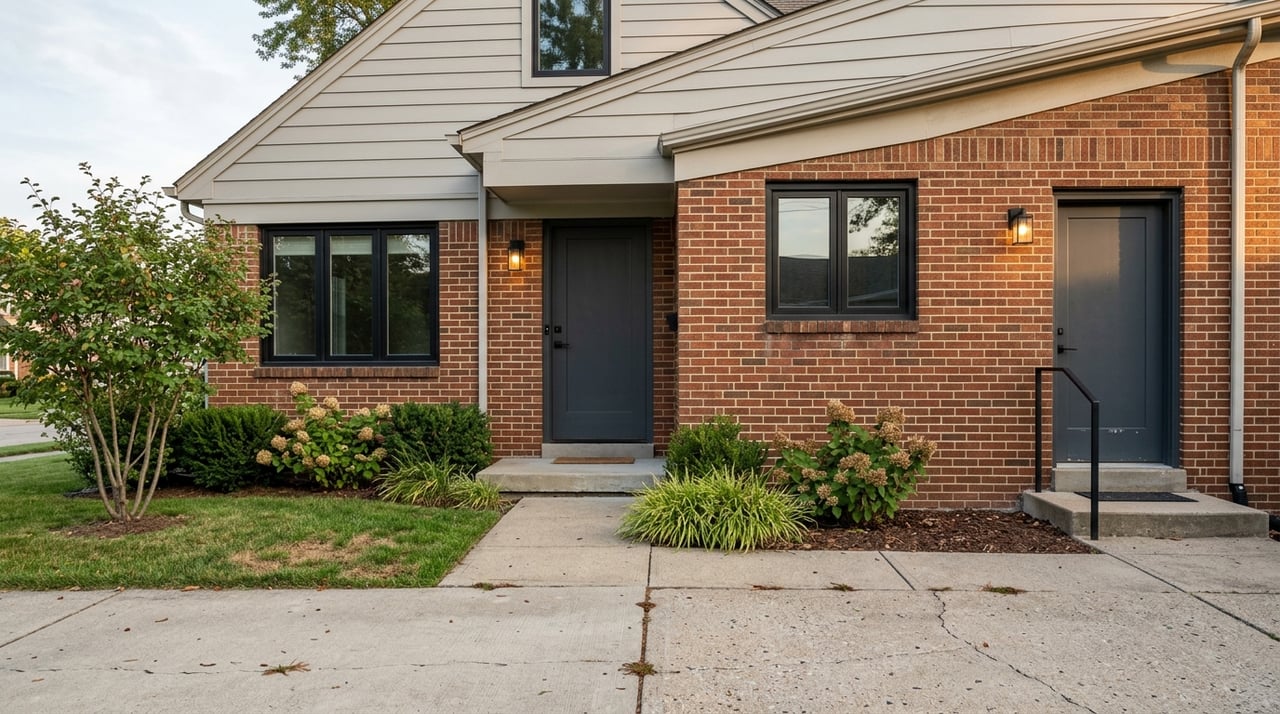
If you are picturing Oak Lawn housing, think practical suburban variety rather than one dominant product type. The village’s transfer-stamp process distinguishes among single-family homes, qualifying townhomes, condos, and multi-unit properties. Combined with census and market context, that points to a housing mix that includes detached homes, attached homes, condos, and smaller multifamily buildings.
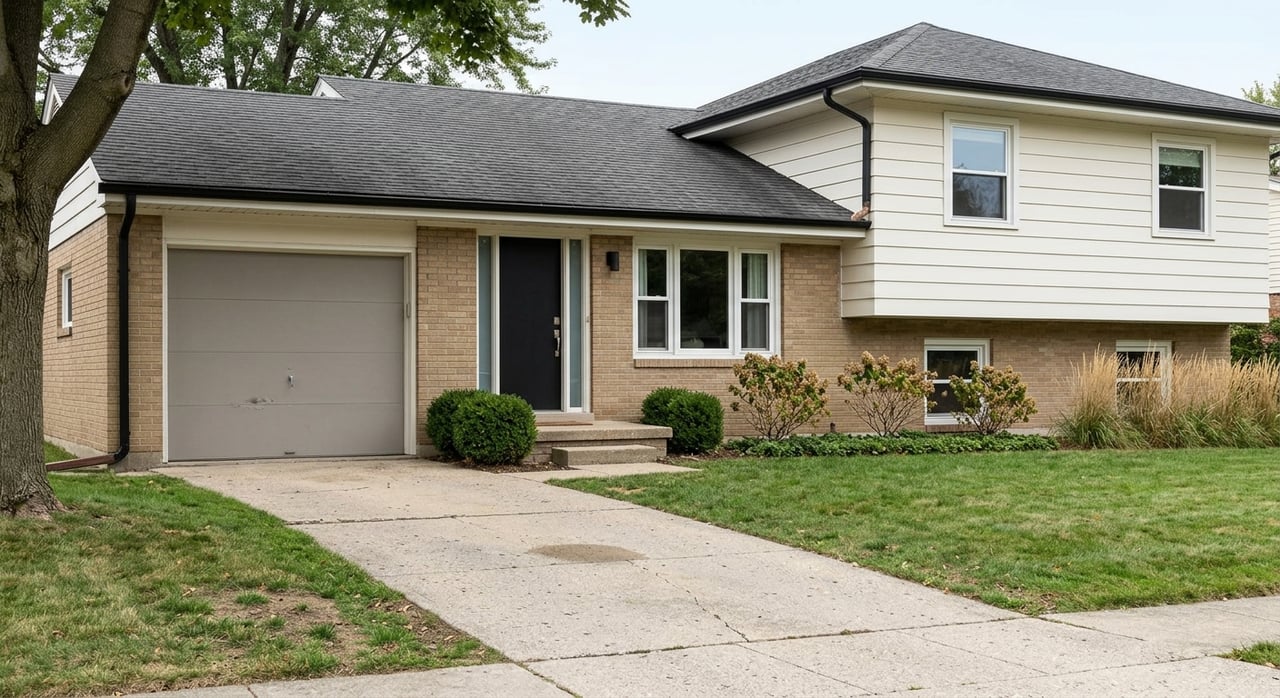
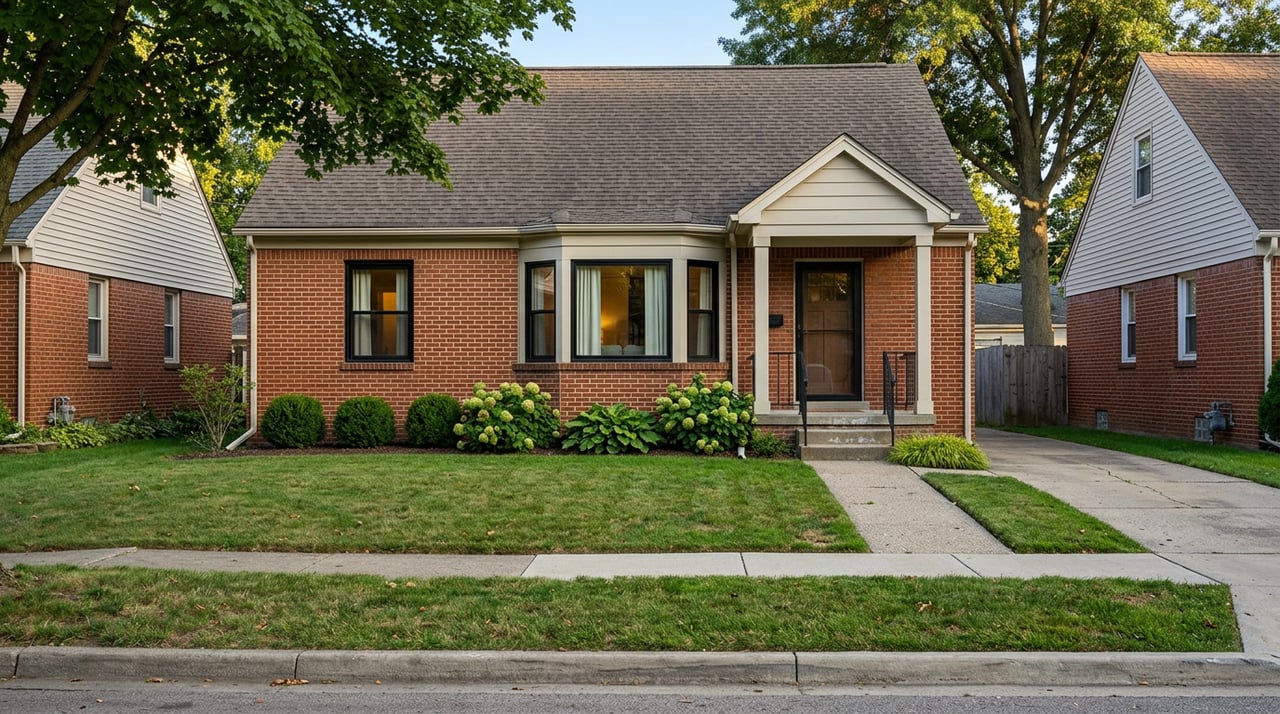
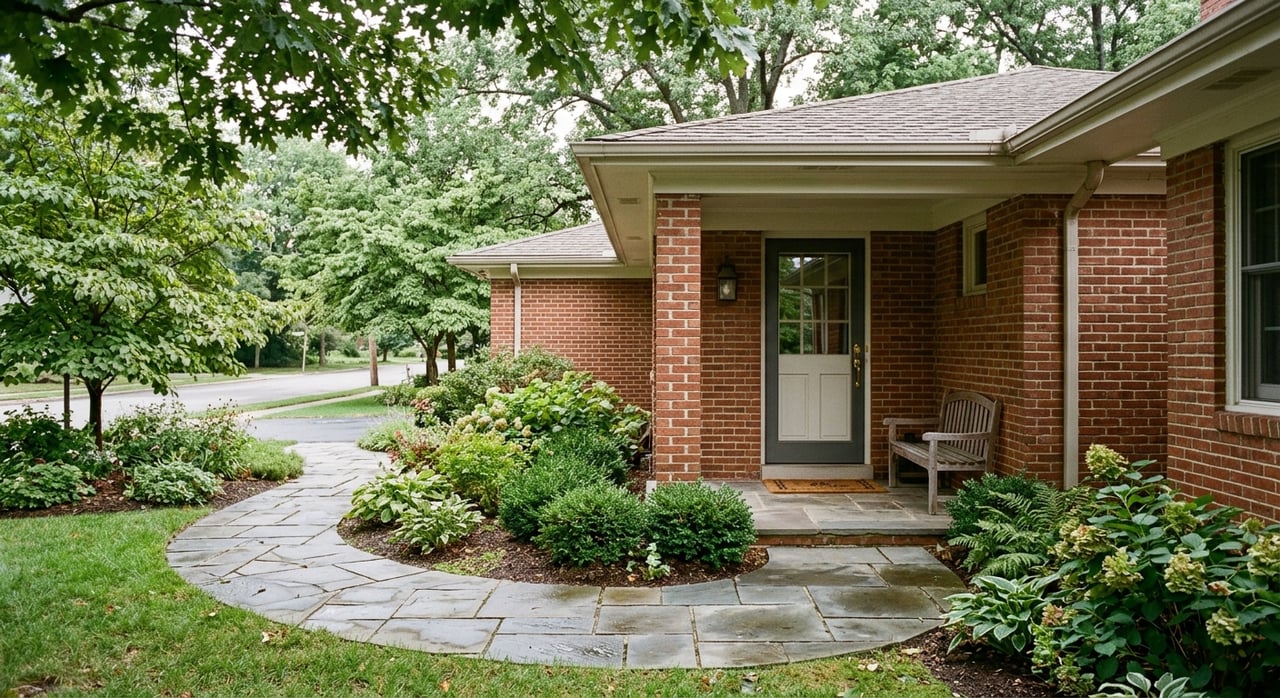
At the same time, Oak Lawn still leans toward classic detached suburban forms. Recent market snapshots show brick ranch, ranch-style, and step-ranch homes as active parts of the local inventory. You are not looking at a place defined mainly by new-construction sameness. Instead, Oak Lawn offers the kind of established housing stock many Chicagoland buyers already understand.
That can be helpful from a decision-making standpoint. In established housing markets, the right move is rarely about chasing the flashiest finish. It is about understanding condition, layout, location within the village, and whether updates match what buyers in that area actually reward.
If you are considering a move to Oak Lawn, the lifestyle story is pretty clear. You are looking at an established suburb with strong homeownership, practical commuting options, visible civic life, and substantial park infrastructure. That combination appeals to buyers who want familiarity, convenience, and housing choices that feel grounded rather than experimental.
It also helps to get specific about your priorities. If transit access or easier errand runs matter most, focus your search near the more connected corridors. If recreation is a top factor, studying your distance to Centennial Park or other park district assets can sharpen your target areas.
From a strategy standpoint, buyers should avoid evaluating Oak Lawn too broadly. The village has a consistent overall identity, but your everyday experience will still depend on block-by-block location, house condition, and access to the amenities you will actually use.
For sellers, Oak Lawn’s appeal is tied to stability and usability. A strong owner-occupied base, established housing patterns, commuter connections, and recreation amenities all support the village’s lifestyle value. Those are the features buyers are often trying to buy into, not just the square footage alone.
That said, positioning matters. In a market with many familiar home styles, buyers tend to compare homes quickly on condition, layout, and perceived maintenance. That is why smart pre-listing prep matters more than over-improving.
The best approach is usually targeted and disciplined. If your home is a ranch, step-ranch, condo, townhome, or small multifamily property in Oak Lawn, the goal is not to outspend the market. The goal is to present the property in a way that matches buyer expectations for its segment, supports your asking strategy, and protects your negotiating leverage in the first days on market.
Oak Lawn works because it offers a blend that many buyers still want. It has an established feel, a commuter-friendly backbone, public recreation with real depth, and housing stock that looks and feels like classic suburbia. For a lot of people, that is not boring. It is exactly the point.
You get a village where homeownership is still the dominant pattern, where public events help create a sense of place, and where daily life can be shaped by parks, corridor access, and familiar residential streets. If your goal is to find a suburb with practical strengths and a grounded identity, Oak Lawn makes a strong case.
If you are thinking about buying or selling in Oak Lawn, strategy matters as much as interest. The right move starts with understanding value, condition, and positioning at the property level. If you want a clear, low-hype plan built around real numbers and smart execution, connect with Mike Thurman.
Stay up to date on the latest real estate trends.
Connect with Michael Thurman for expert guidance backed by real investment insight. Whether buying or selling, he’ll help you price strategically and move with confidence.