Pricing Your Naperville Home For Maximum Early Demand
June 18, 2026
June 18, 2026
If you price your Naperville home wrong out of the gate, you usually do not get a clean second chance. The first week brings the most attention, and buyers move fast when a home feels aligned with the market. If you want strong early demand, better leverage, and fewer painful price cuts later, your pricing strategy has to be precise from day one. Let’s dive in.
Naperville is still a competitive market, but it is not a simple one. March 2026 market data showed 290 homes for sale, a median list price of $609,000, a sale-to-list ratio of 100%, and a median 26 days on market. Other 2026 snapshots showed similar strength, including a median sale price of $594,644, 420 homes sold, and homes going pending in about 8 days.
Those numbers point to one clear reality: buyers are active, but they are also quick to judge value. In a market where many homes receive multiple offers, the right launch price can create momentum right away. The wrong price can shrink your buyer pool before your listing has a chance to build traction.
Redfin also found that new listings get far more attention than homes that later cut price. Online views drop sharply after day one, falling to about half by day two and about a quarter after a week. That means your first impression is not just important, it is the main event.
One of the biggest pricing mistakes sellers make is treating Naperville like a single price band. It is not. Local snapshots show major differences by neighborhood and ZIP code, with median listing prices ranging from $332,250 in Cress Creek to $895,000 in White Eagle Club.
The same pattern shows up by ZIP code. Median list prices were reported around $439,900 in 60563, $710,000 in 60540, $667,500 in 60564, and $599,950 in 60565. If you price off a citywide average instead of your actual submarket, you can miss the mark by a lot.
This matters because buyers shop in brackets. A small pricing change can place your home in front of a very different group of buyers. In Naperville, where submarkets vary widely, that bracket strategy can shape the entire outcome.
Buyers do not evaluate your home in a vacuum. They compare it against the other homes they have seen online and in person, especially the ones in the same neighborhood, price tier, and condition range. If your home feels overpriced compared with nearby alternatives, buyers often move on without giving it much thought.
That is especially true in Naperville because much of the housing stock was built between 1980 and 1999. According to the City of Naperville's 2025-2029 housing analysis, 54.8% of the housing stock came from that period, and only 3.9% was built since 2010. In practical terms, that means many buyers are comparing homes with similar age but very different levels of upkeep and updating.
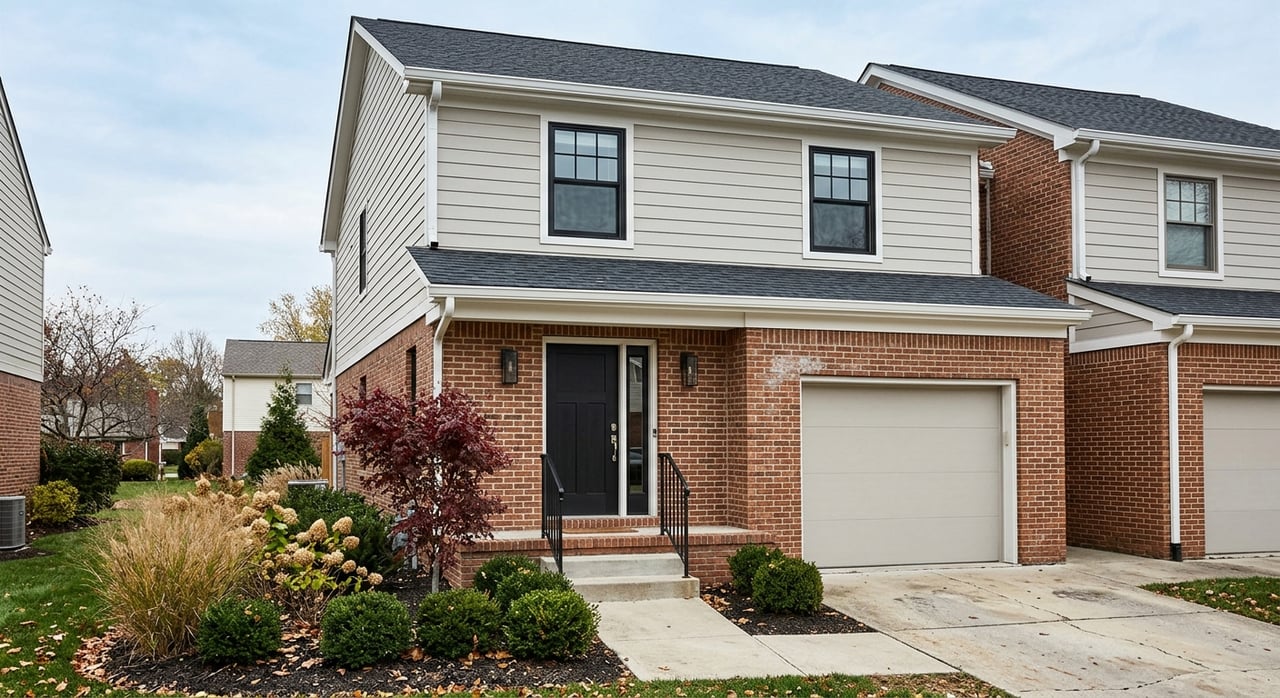
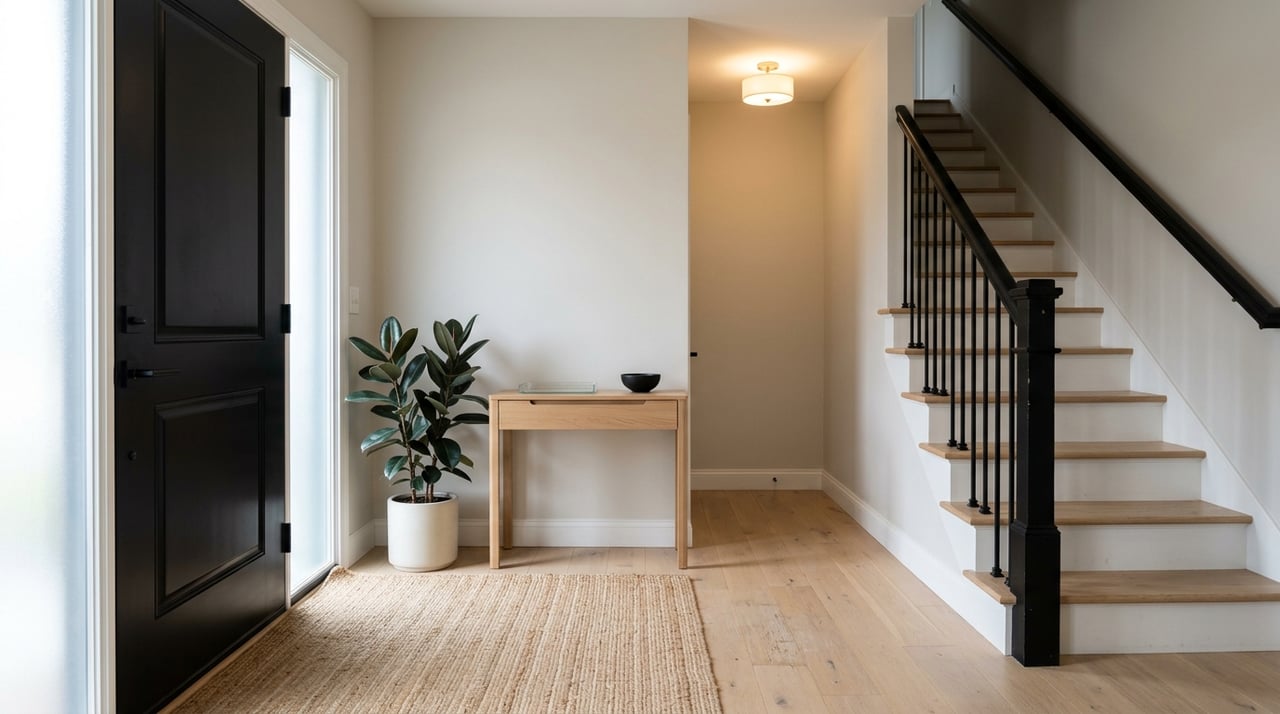
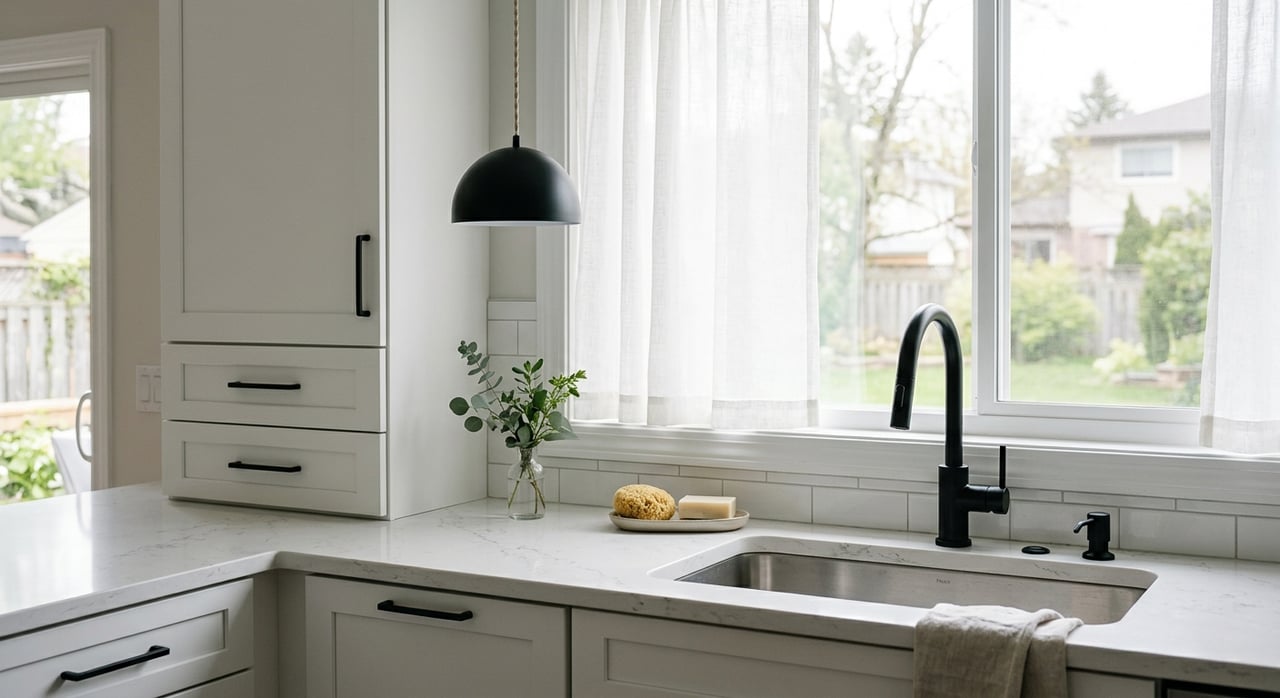
A clean, well-presented home with updated finishes may justify the top end of its comp range. A home with dated paint, worn flooring, older kitchens or baths, or deferred maintenance should usually be priced against homes with similar condition. Buyers notice those differences immediately, and your pricing has to reflect that.
A smart pricing strategy starts with a narrow, relevant comp set. In Naperville, that usually means sold homes from the last 60 to 90 days that match your home in neighborhood or ZIP, property type, age, size, lot profile, and overall buyer appeal.
Broad comps often create bad pricing decisions. A condo, townhome, small infill home, and larger two-story home may all sit in the same city, but they do not compete for the same buyer in the same way. The tighter the comp set, the more useful it becomes.
You also need to compare more than list prices. Sale price, days on market, sale-to-list ratio, and visible condition all matter. Recent sales in Naperville showed a wide range of outcomes, with some homes selling well above list and others selling below list, which is a reminder that pricing is not just about square footage or bedroom count.
Some parts of Naperville have very limited inventory at any given time. Downtown Naperville, for example, was shown with only 2 homes for sale in one market snapshot, while Brookdale had 3 and several other neighborhoods had just 4 to 8. When that happens, your comp pool gets thin fast.
If your home sits in one of those tighter pockets, pricing takes more judgment. You may need to widen the date range a bit or compare carefully to homes with very similar size, condition, and buyer appeal. This is where strategy matters most, because a thin comp pool can make overpricing feel tempting even when it is risky.
Naperville sellers often run into the same mistakes. Most of them come from trying to protect upside without accounting for how buyers behave in the first week.
Citywide numbers can be helpful for context, but they should not set your list price. Naperville's neighborhoods and ZIP codes span very different value ranges, and broad averages can hide those differences.
Condition matters in Naperville because so much of the inventory is from the 1980s and 1990s. Buyers often compare finish quality, maintenance level, and curb appeal quickly, especially when similar floor plans exist nearby.
This is one of the costliest mistakes. Zillow found that homes lingering for about two months sold for 5% less than list on average. Redfin also found that fresh listings receive about 3.4 times more views than homes with a price drop.
A high test price can feel safe at first, but it often burns your best audience. By the time you adjust, buyers may assume the home was rejected for a reason.
A small reduction often does not change buyer behavior. Redfin notes that a price cut should be meaningful enough to move the home into a different search bracket. If it does not, you may still miss the buyers you need.
Underpricing can create urgency, but it is not automatically the right move. If you list below value without a strategy for presentation, timing, offer review, and negotiation, you may create interest without maximizing your result.
The best launch prices usually come from a disciplined process, not a guess. If you want maximum early demand, focus on a strategy like this:
This is the kind of thinking behind a strategy-first launch. It is not about chasing the highest hopeful number. It is about creating enough demand early to preserve leverage.
In Naperville, visible condition can move your result more than many sellers expect. The city's housing mix means buyers often compare homes with similar age and location, so presentation becomes a major tie-breaker.
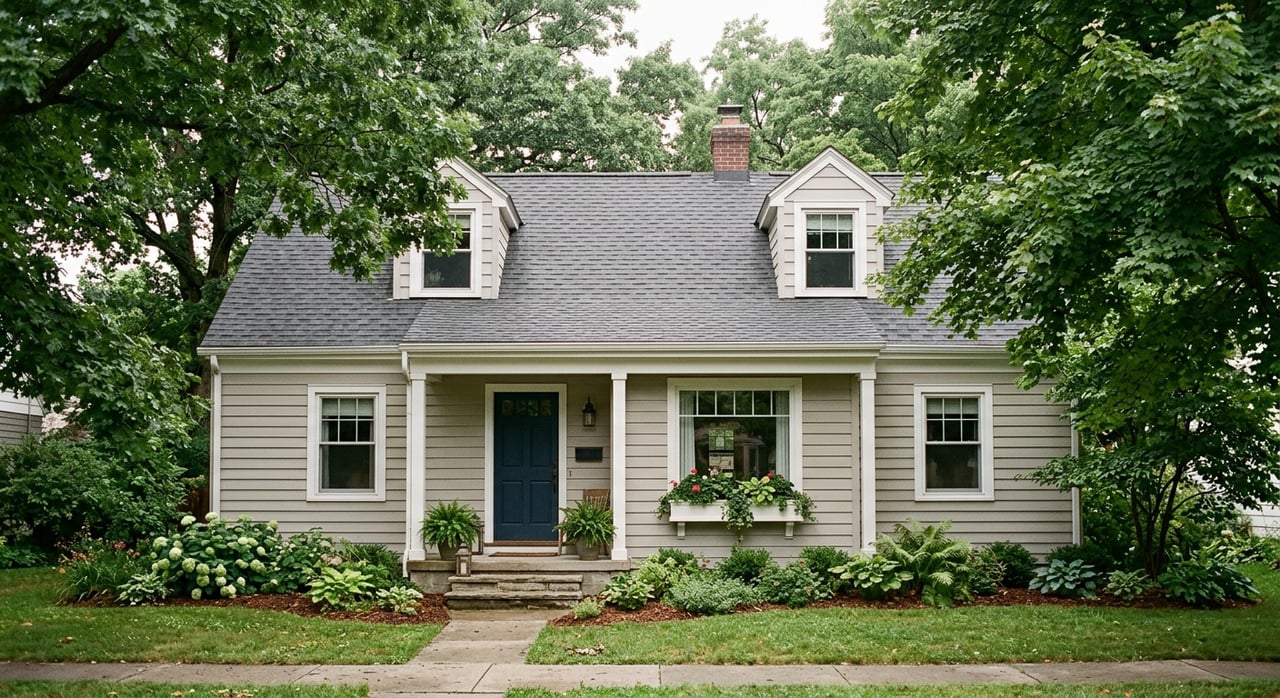
National remodeling data cited in the research report found that 92% of REALTORS® suggest improving curb appeal before listing, and 97% say curb appeal matters in attracting a buyer. Painting and roofing were among the pre-listing projects most often recommended, and buyers also show strong interest in kitchen and bathroom upgrades.
That does not mean you should over-renovate. It means you should be realistic about which improvements help your home compete in its price tier. The goal is to match buyer expectations in your neighborhood, not to spend money blindly.
Before listing, ask whether a project will help your home move into a stronger buyer bracket or simply make you feel better about the listing price. Those are not always the same thing.
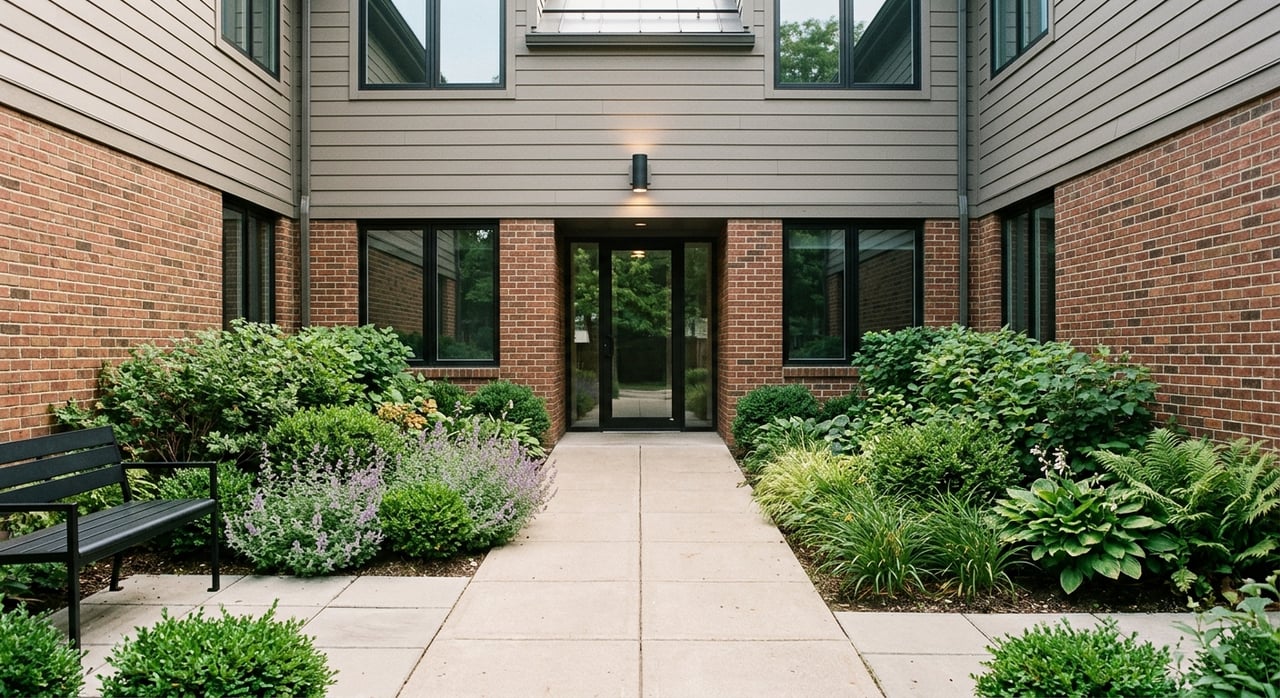
Often, small targeted improvements do more for pricing power than a large remodel. Clean paint, updated lighting, better landscaping, minor repairs, and sharper presentation can help your home justify the upper end of its range. If the return is unclear, pricing in current condition may be the smarter play.
Maximum early demand does not always mean pricing below market. It means pricing in a way that creates strong alignment between buyer expectations and your home's presentation.
When that alignment is right, buyers engage quickly. You are more likely to see stronger showing activity, better feedback, more urgency, and a better chance of competitive offers. That is how pricing supports leverage.
In Naperville, where many homes can go pending fast and submarket differences are real, the best results usually come from disciplined positioning. Strong demand is rarely an accident. It is usually the result of smart prep, a realistic comp strategy, and a launch price built for the first 7 to 10 days.
If you are weighing how to price your Naperville home, the real question is not just, "What is my home worth?" It is, "How do I position it to capture the best buyer response right away?" That is where strategy can protect your equity and improve your outcome. If you want a clear plan built around your home's condition, comp set, and buyer bracket, schedule a consultation with Mike Thurman.
Stay up to date on the latest real estate trends.
Connect with Michael Thurman for expert guidance backed by real investment insight. Whether buying or selling, he’ll help you price strategically and move with confidence.