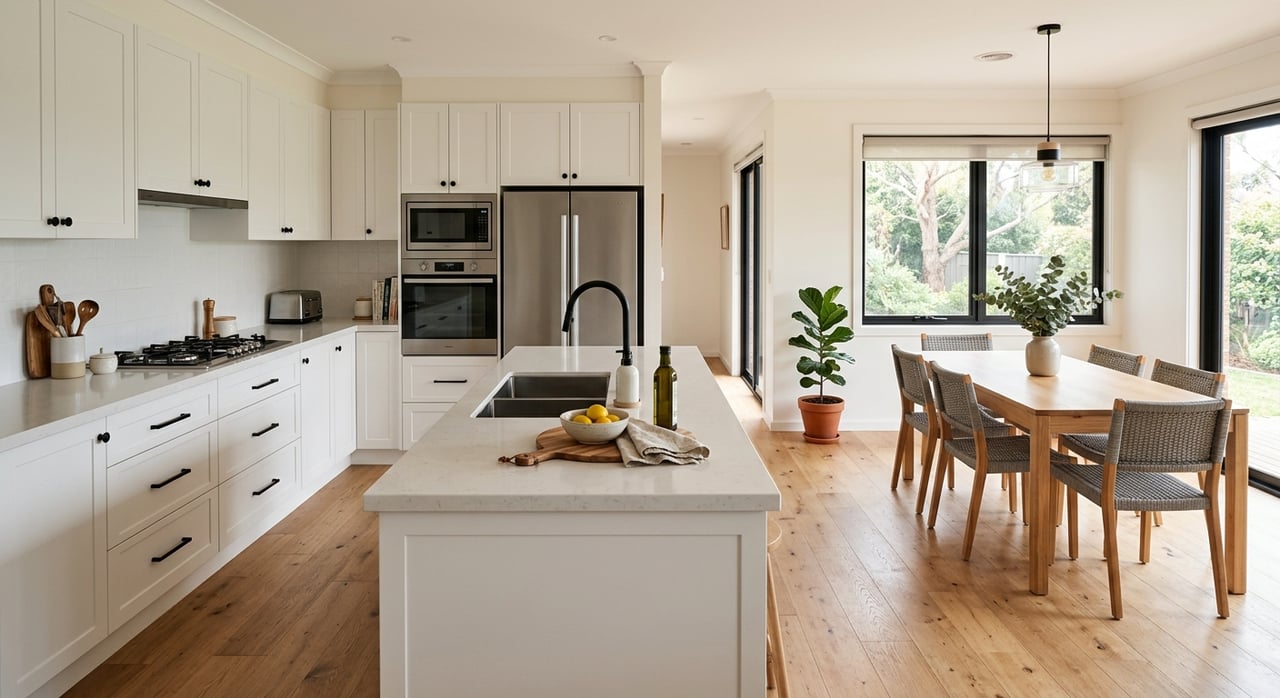
Using The First 10 Days To Sell Your Naperville Home
July 9, 2026
July 9, 2026
Selling in Naperville can feel simple on the surface. Buyer demand is real, and well-positioned homes can move fast. But the first 10 days are where a lot of sellers either build leverage or lose it. If you want to protect your price, avoid stale-listing problems, and make smart decisions early, this is the window that matters most. Let’s dive in.
Naperville market data points in the same direction even when the numbers vary by source. Redfin reports homes receive about 3 offers on average and sell in around 43 days, Zillow shows homes going pending in about 8 days, Realtor.com describes Naperville as a seller's market with a median 22 days on market, and MRED's May 2026 update shows detached single-family homes averaging 20 days on market.
Those numbers are not contradictory. They measure different stages of the sale process and different property mixes. The key takeaway is simple: buyers react quickly, and your opening launch matters more than many sellers realize.
That matters because online attention is heavily front-loaded. Redfin found that newly listed homes get 3.4 times more online views on the day they are listed than on the day the seller later drops the price, and views fall sharply after the first week.
In other words, the market gives you a burst of attention up front. You want that attention to convert into showings, strong feedback, and ideally offers before your listing loses momentum.
Naperville is competitive, but it is not so forgiving that you can simply test an aspirational number and fix it later. MRED reports detached single-family homes at 99.9% of original list price received in May 2026. Zillow's sale-to-list ratio is 0.999, and Redfin reports 100.2% sale-to-list.
That tells you the market is rewarding pricing accuracy. It is not leaving much room for inflated opening prices followed by easy negotiations back to reality.
If your home is priced and presented correctly, the first week or two can create leverage. If it is overpriced or underprepared, the market often tells you that quickly too.
A lot of sellers think pricing high creates room to negotiate. In a market like Naperville, that approach can work against you.
Zillow research says homes priced too far above estimated market value sell slowest. Realtor.com also notes that once a listing starts to stall, buyers begin to wonder what is wrong with it.
That shift in buyer psychology matters. A home that feels fresh and in demand often gets stronger showings and better terms. A home that sits too long can invite lower offers, tougher negotiations, and eventual price cuts.
The goal is not just to list your home. The goal is to launch it in a way that converts early attention into action.
Mike Thurman's strategy-first approach fits this well. His process is built around diagnosing true market value, making targeted improvements that the buyer pool will actually reward, controlling demand in the first 7 to 10 days, and exiting with leverage still intact.
That means your launch plan should be built before the listing goes live, not improvised after weak traffic or a quiet first weekend.
Your opening price should invite showings right away. In Naperville, where sale-to-list numbers are hovering around full price, the market is signaling that accurate pricing is winning.
That does not mean you should underprice your home. It means you should avoid using the market as a testing ground for a number buyers are unlikely to support.
A strong opening price does three things:
This is where disciplined analysis matters. A seller-focused strategy should look at current condition, likely buyer expectations, and whether any small pre-listing work could improve your positioning without overspending.
Presentation is not a side issue. It is part of the pricing strategy.
According to Zillow, homes marketed broadly on the MLS sell for more than homes kept off the MLS. Zillow also reports that listings with high-resolution photography, 3D Home tours, and interactive floor plans sell for about 2% more than similar homes.
That means your first 10 days should begin with a complete package, not a partial one. At minimum, that includes:
For many sellers, the real question is not whether to do everything. It is which improvements actually matter.
Not every pre-listing project improves your result. The better approach is to focus on cost-effective work that supports buyer confidence and fits neighborhood expectations.
This is where an operator-minded perspective can help. Instead of over-renovating, you want to identify the updates that improve first impressions, reduce objections, and support your pricing without pushing beyond what the local buyer pool will reward.
In practical terms, that can mean handling deferred maintenance, touching up paint, improving lighting, simplifying clutter, and making sure the home shows clean and functional. The point is to optimize for buyer response, not to chase perfection.
The first week tends to bring the highest curiosity. Realtor.com's guidance says sellers should keep the home clean, presentable, and ready for showings at a moment's notice.
That can be inconvenient, but flexibility matters. If demand is front-loaded, every missed showing opportunity in days 1 through 7 is more expensive than it would be later.
A smooth first week often means:
When the listing is fresh, convenience helps convert online interest into actual foot traffic.
The first weekend is not just a waiting period. It is a diagnostic tool.
If your home is getting traffic, positive feedback, and repeat interest, that is a sign your launch is connecting with buyers. If showings are light or feedback points to price or presentation problems, treat that as meaningful data.
A quiet first weekend is usually not something to ignore. The research suggests early interest is strongest, and by week four price reductions are peaking. Waiting too long can cost you momentum that is hard to fully recover.
If the first 7 to 10 days are underwhelming, the move is not to hope the market changes its mind. The smarter move is to reassess quickly.
That review should focus on two areas:
Are buyers seeing enough value at the current number to schedule showings and act? In a market where homes often sell near original list price, weak early response can be a sign that the opening price missed the mark.
Does the listing package support the price? If the photos, condition, or overall showing experience are not strong enough, buyers may be passing before they ever walk through the door.
Fast action matters here. Once a listing begins to feel stale, buyers tend to get more cautious.
In the right situation, yes. Because the strongest premiums often show up when homes go under contract in the first two weeks, setting an offer deadline shortly after the first weekend can help convert interest into urgency.
This is not a gimmick. It is a way to create structure when the listing is getting meaningful traffic and buyers need a reason to act decisively.
The key is reading the market honestly. If the home has strong early activity, a deadline can support competition. If the first week is quiet, the better move may be to revisit price or presentation instead.
A strong launch is not only about price and photos. In Illinois, seller paperwork also needs to be ready.
Under the Illinois Residential Real Property Disclosure Act, sellers must complete the disclosure report and deliver it before signing a contract. If you later become aware of an error, inaccuracy, or omission, you must supplement the report before closing.
Illinois sellers also need to provide the IEMA-OHS radon testing guidelines pamphlet and the Illinois disclosure of information on radon hazards. That is why disclosure review should be part of your pre-listing timeline, not a last-minute task.
Spring tends to be the strongest selling season in the broader Chicago-Naperville-Elgin metro. Realtor.com's 2026 Best Time to Sell report points to the week of March 22, 2026 as especially strong, with 18.0% more views per property, 23.3% fewer price reductions, and homes selling about five days faster than average.
Zillow's 2026 metro timing guide also points to the second half of May as a strong listing window for Chicago. The exact methods differ, but both reports support the same idea: spring often gives sellers a stronger backdrop.
That said, timing alone does not replace execution. Even in a favorable season, the first 10 days still depend on accurate pricing, strong marketing, and quick response to buyer feedback.
If you are selling in Naperville, the first 10 days should not be treated as a passive test. They are your best chance to control buyer perception, create competition, and protect your negotiating position.
The sellers who tend to do best are not always the ones who spend the most. They are usually the ones who launch with a clear plan, realistic pricing, smart prep, broad exposure, and a willingness to react quickly if the market sends a signal.
If you want a strategy built around true market value, targeted prep, and protecting leverage in the first 7 to 10 days, Mike Thurman can help you build a launch plan that fits your home and your goals.
Stay up to date on the latest real estate trends.

Connect with Michael Thurman for expert guidance backed by real investment insight. Whether buying or selling, he’ll help you price strategically and move with confidence.